
Focus on invasives
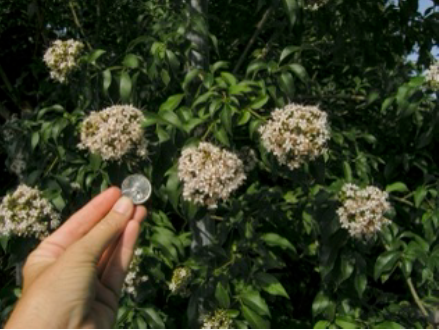
From the information sheets displayed at the Agricultural Exhibition.
Stinky/shrubby clerodendrum
Text and photos - Lisa GreeneScientifc name: Volkameria glabra
This small tree self-seeds abundantly. It has spread widely throughout the island. However, it does not grow
particularly tall so it does not tend to over-shade natives but it will crowd them out. It has a dense crown of leaves.
The leaves are shiny and pungent when crushed.
It is easiest to pull it out when it is young. A young tree (up to about 6’ in height) can be pulled out with a Weed Wrench - the root system is not very extensive at this point. After that the preferred method is to girdle the tree and leave it to die. As a last resort, cut the trunk as close to the ground as possible and carefully paint a light coat of systemic herbicide on the stump.
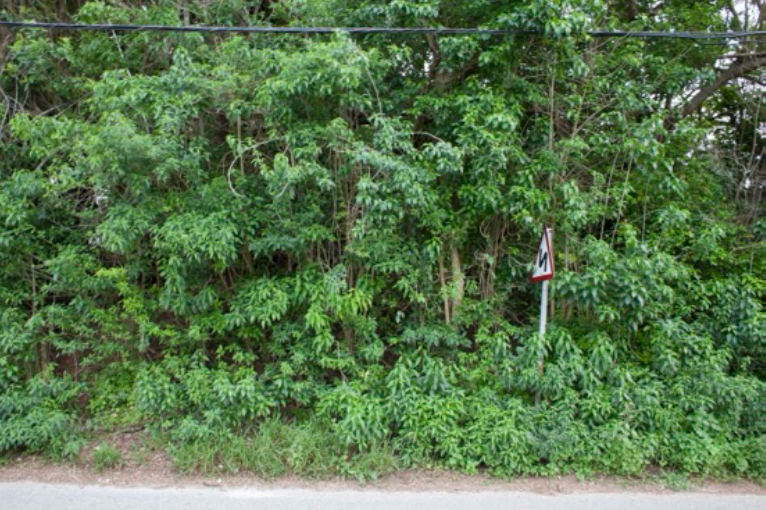
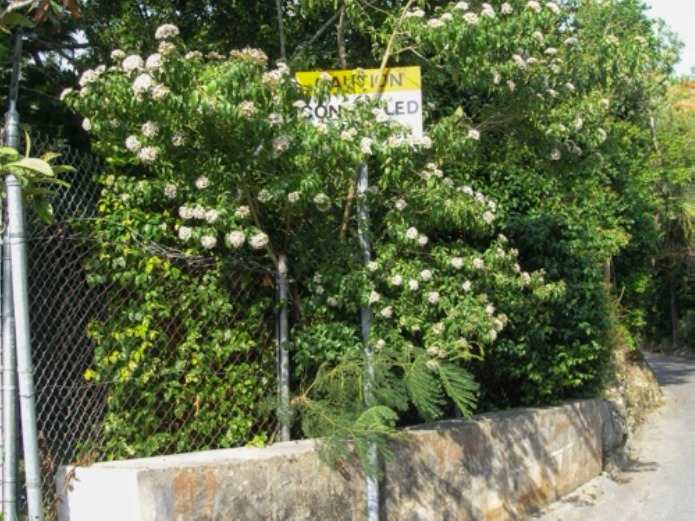
Hoop Vine, Trichostigma octandrum, in Bermuda
Text and photos: Alison CopelandThe plant family Petiveriaceae contains around 20 known species of plants. No members of this family are native to Bermuda, but two species have been introduced – the Hoop Vine (Trichostigma octandrum) and the Rougeberry (Rivina humilis). Unfortunately both species are invasive here. While Rougeberry is incredibly common, I was only vaguely aware of Hoop Vine before I started the vegetation surveys for my PhD in 2023. Lisa Greene had shown it to me on the roadside of
South Shore Road, just east of Southampton Rangers in May 2014. I’d since noticed it a few other times, such as on the railway trail in Warwick during the End-to-End Walk in 2018. When I began to survey South Shore Park this spring, I started to realise how invasive Hoop Vine really is. As she was the first to bring it to my attention as a potential invasive back in 2014, I’ve asked Lisa to collaborate with me on this article to capture some of what we know about this plant. If anyone has knowledge to add after reading this, please do get in touch.
Hoop Vine in Bermuda
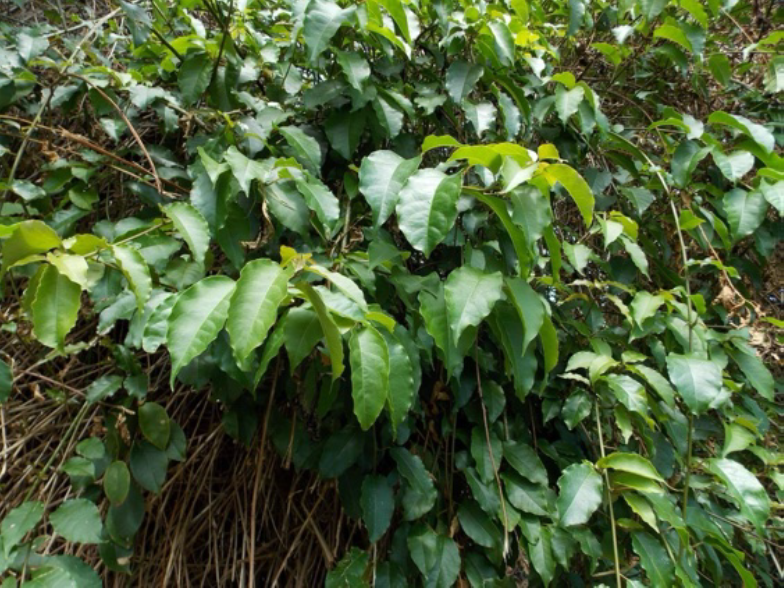
Figure 1: Hoop Vine at Southampton Rangers roadside 19th May 2014
The earliest mention I could find of Hoop Vine in Bermuda was a herbarium sheet from July 2007 in the collection of the Natural History Museum at BAMZ. The herbarium holds multiple sheets from various sites in Warwick from 2007, 2008 and 2012. No mention of it is made in Britton’s 1918 Flora of Bermuda, nor in any of the Garden Club of Bermuda books (Whitney 1955, Wardman 1971 or Ogden 2002). Are we to believe this is a recent introduction? It had been on the island long enough to naturalize by 2007.
Description
Kew’s Plants of the World Online (POWO, 2025) describes Hoop Vine as a ‘scrambling shrub or tree’, while other sources refer to it as a liana, climbing shrub or a woody vine (WFO, 2025). Indeed, in Bermuda it seems to take several growth forms including a woody vine and a multi-trunked shrub with many ascending vine-like branches which scramble up other vegetation. It can grow up to 10 m or 30 feet tall (WFO, 2025). Hoop Vine has a large native range in Central and South America and the Caribbean, stretching from Florida to northern Argentina (POWO, 2025). POWO does not give an introduced range for Hoop Vine, but it is known to grow wild in disturbed habitats in the Bahamas and is not native there (Leon Levy Native Plant Preserve, 2024). The tiny white flowers are held in a raceme - a long cluster with a central stem (Fig.2). It has dark purple, almost black, fleshy berries about 4-6mm (about 0.2 inches) in size containing one seed. The stem holding the berries is often reddish. These berries are eaten by birds, which are spreading this plant around the island.
Distribution in vegetation surveys
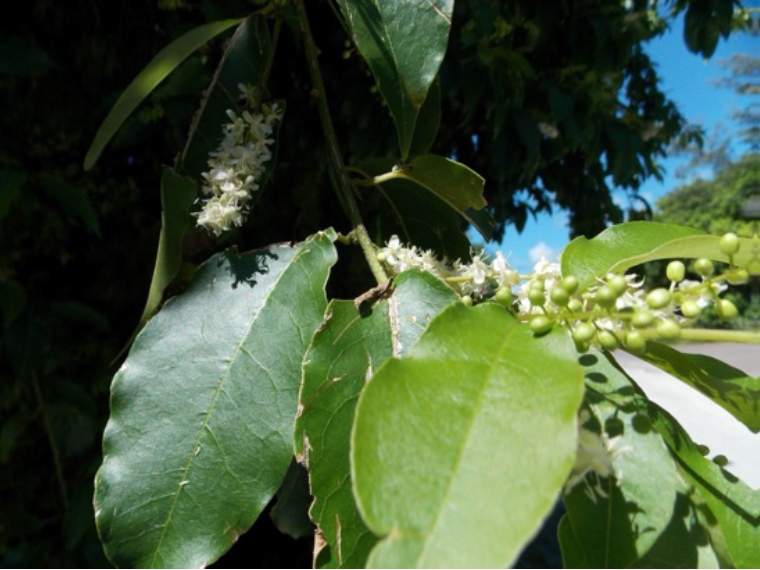
Figure 2: Flowers at Southampton Rangers roadside, 1st Sept. 2014.
In the February and March 2025 I did a systematic, random point survey of South Shore Park. This is Bermuda’s largest national park, and encompasses everything from the driveway at Horseshoe Bay eastward to Mermaid Beach, including Horseshoe Bay and Warwick Long Bay beaches (Fig. 5). It was a systematic survey, as I did a survey every 50 or 100m on a grid; and it was random as I didn’t choose the locations, the computer did. It can therefore be considered a reasonable assessment of the true nature of the vegetation (although I would have appreciated some bias away from patches of Spanish Bayonets!).
In the seedling layer of the vegetation, I only recorded seedlings of Hoop Vine in one survey plot, where I found 2 seedlings. It is likely there were others, and I mistook them for Rougeberry. In the tree canopy layer of the survey, I found Hoop Vine growing both as a shrub with thick trunks and spreading branches, and growing like a vine over other vegetation (Fig.3). In some places the branches were so dense, it was dark and gloomy underneath. In these cases the supporting plant had usually died, and there were very few, if any, plants on the ground underneath. In places where it got more light, like under more open Bay Grape canopies, I observed Hoop Vine scrambling along the ground.
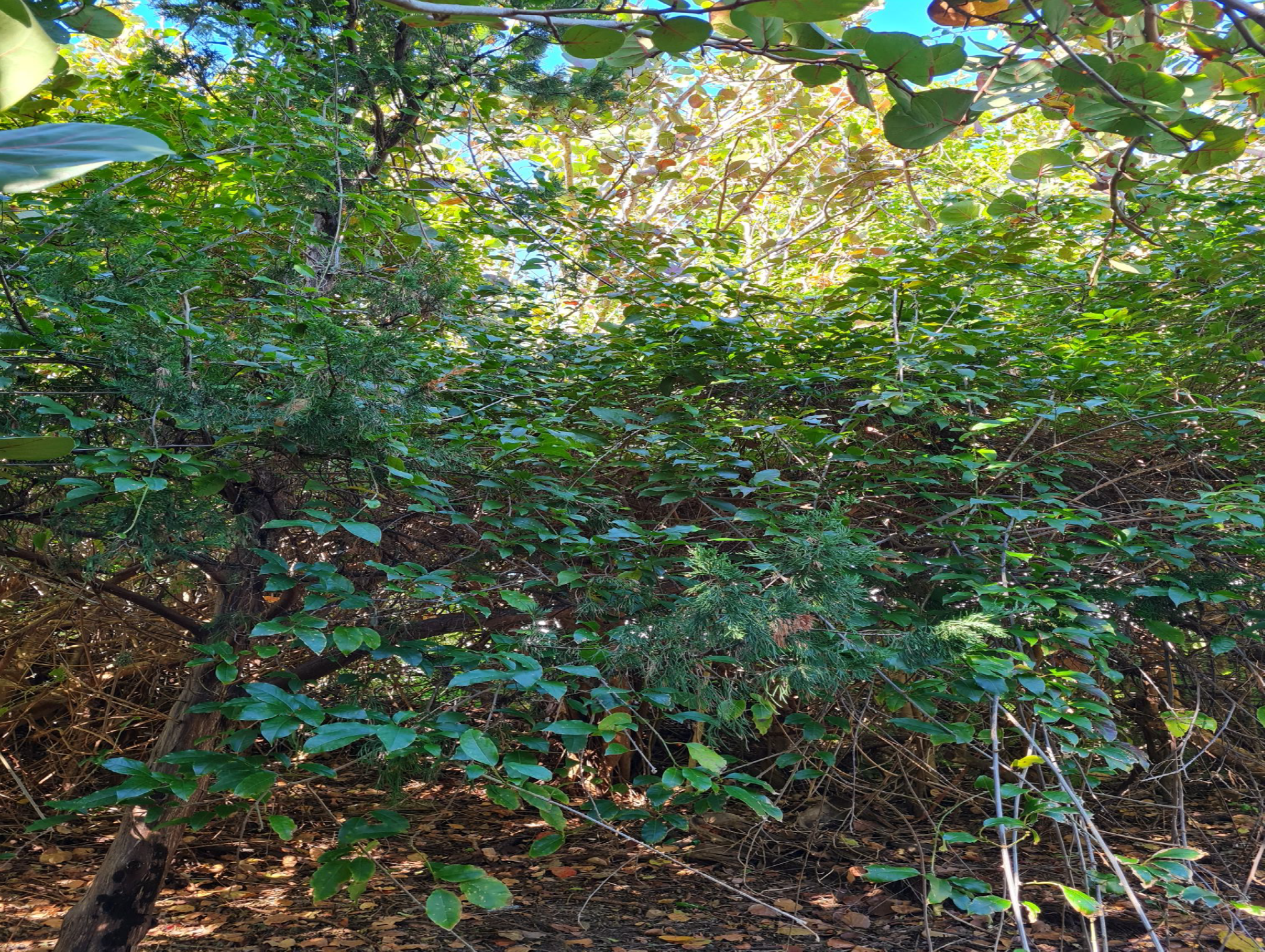
Figure 3: Hoop vine covering a Bermuda Cedar at SS24. (Fig.4).
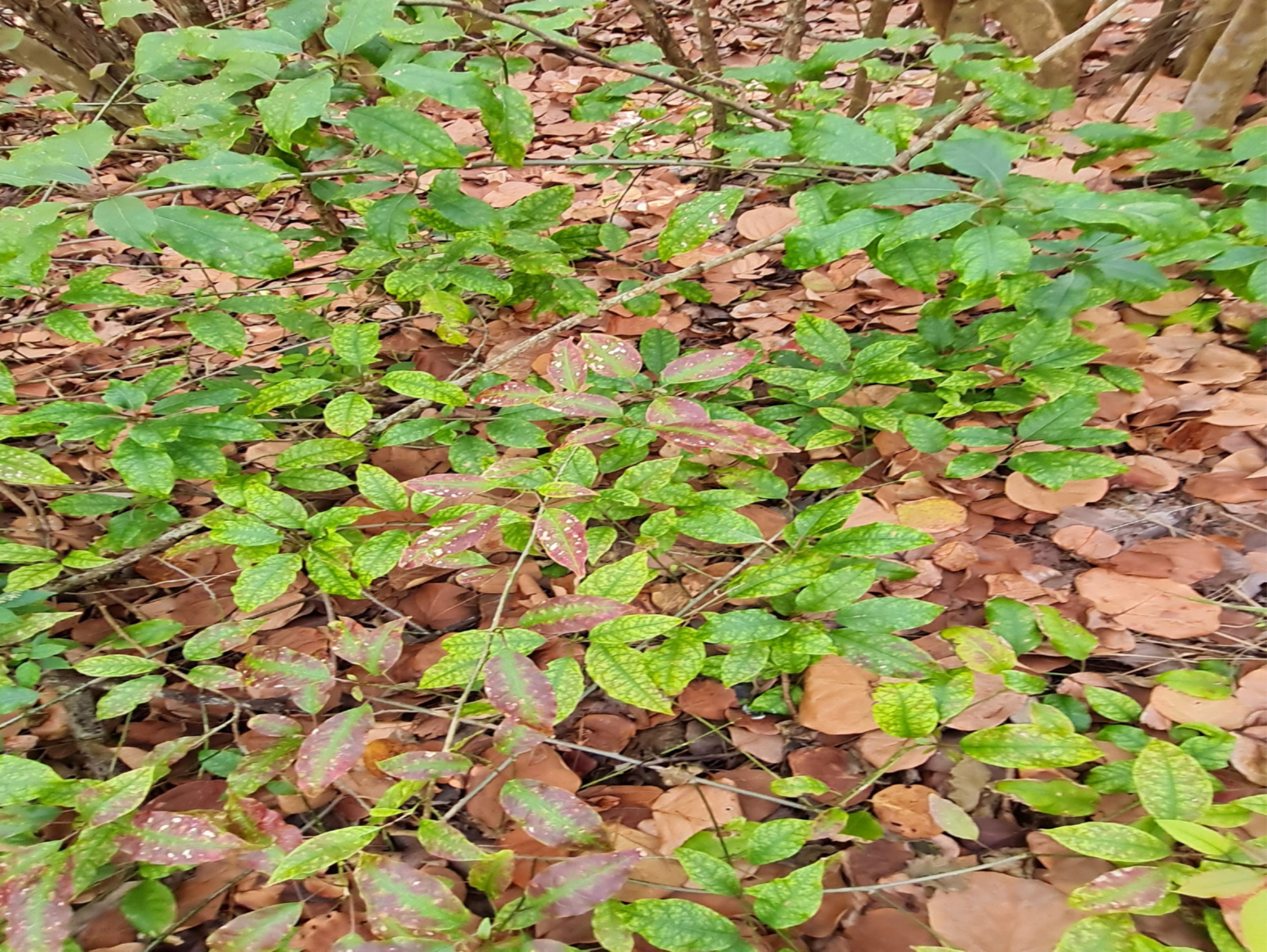
Figure 4: Hoop vine growing on ground below Bay Grapes.
In total I found Hoop Vine in the canopy layer at 11 sites, or 23.4% of the 47 sites I surveyed at South Shore Park (Fig.5). I counted 80 Hoop Vines, which made up 21% of all the vines I observed at South Shore Park.
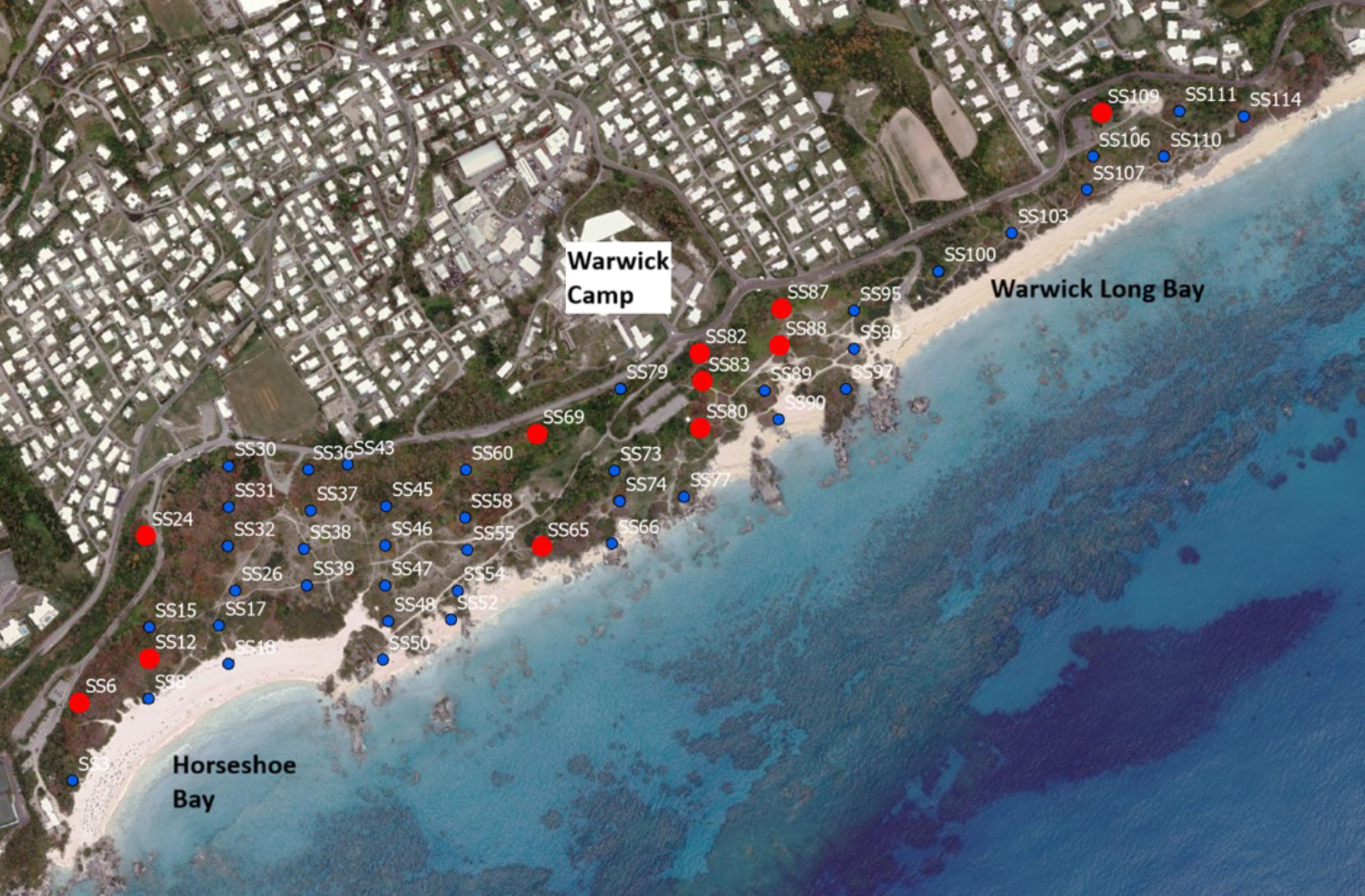
Figure 5: The distribution of Hoop Vine (red circles) recorded in South Shore Park in Feb/March 2025. Blue circles were surveyed but did not contain Hoop Vine.
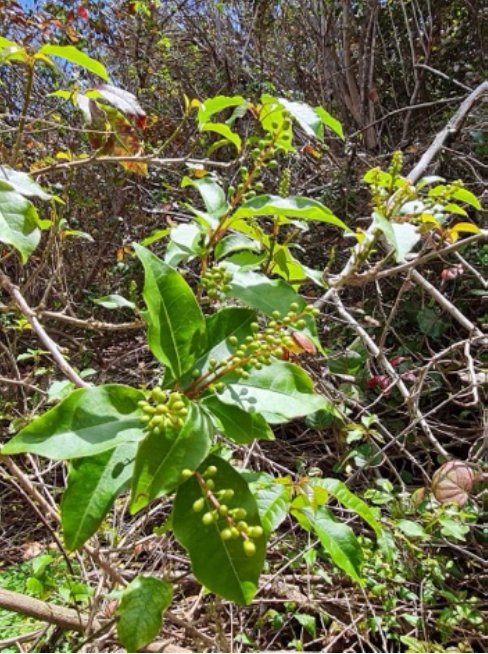
Figure 6 : Developing berries on Hoop Vine at Horseshoe Bay, March 13th 2025
These data are a bit alarming for several reasons. The coastal, and particularly dune vegetation along the South Shore has so far resisted invasion from alien plants far better than any other habitat in Bermuda (except perhaps the mangrove swamps) and therefore gives our best chance of preserving our native vegetation and other species. The fact that Hoop Vine is making its way into coastal habitats is worrying, as is the relative speed of its spread. As I said above, this plant was first recorded on the island (and already naturalized) around 2007, so for it to be making up a fifth of the vine records in Bermuda’s largest national park only 18 years later is concerning. However, as it is not yet widespread in other parts of the island – I did not find it in any of the 15 other parks I surveyed – potentially we still have an opportunity to attempt to control Hoop Vine. What is needed now are some further surveys of Warwick and Southampton, where it seems to be localised, to identify potential sites for eradication or control. Clearing known infestations within South Shore Park should also obviously be done. Learning more about its ecology in Bermuda would also be beneficial, for example who are its pollinators, and does it flower and produce berries once or multiple times per year? I’ve seen flowers on the first of September (Fig. 2) and what looked to be very green berries on the 13th of March 2025 (Fig.6), and there appear to be ripe berries on the herbarium specimens from November. If anyone has other observations, please do share them.
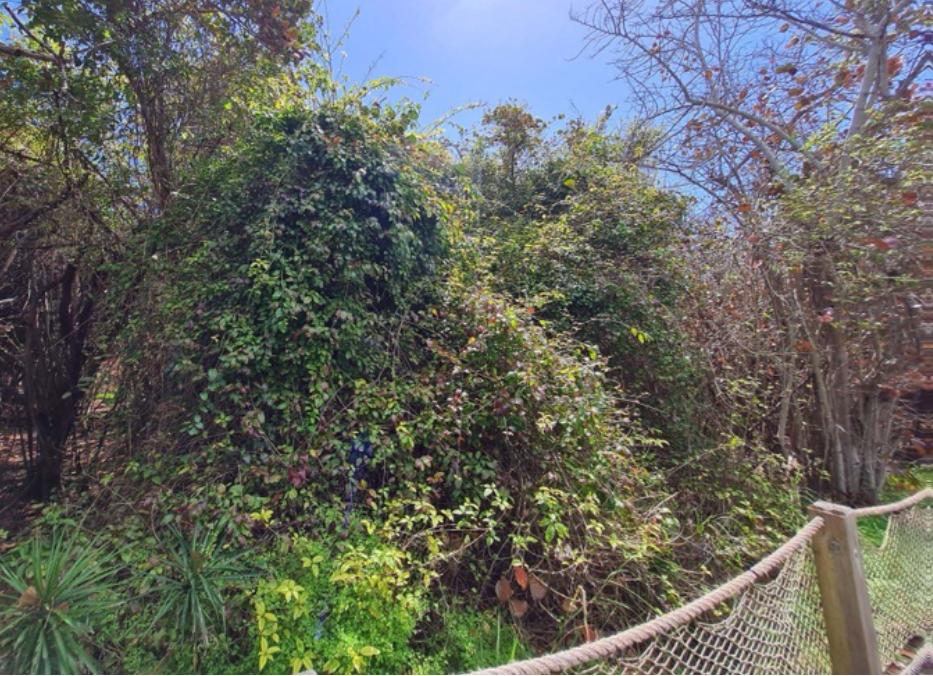
Figure 7: Hoop Vine on the edge of the driveway down to Horseshoe Bay.
Obviously, now that we know it is becoming a problem this plant should not be grown in gardens or knowingly spread around the island by people. I’m writing this article to make more people aware of this plant, including what it looks like, and its invasive nature. If you would like to take a look at it up close, park in the lot at Horseshoe Bay and have a walk up the boardwalk and steps along the driveway (Fig. 7).
References:
Plants of the World Online (POWO). 2025. Trichostigma octandrum (L.) H.Walter. https://powo.science.kew.org/taxon/urn:lsid:ipni.org:names:257665-2
World Flora Online (WFO). 2025. Trichostigma octandrum (L.) H.Walter. Published on the Internet; http://www.worldfloraonline.org/taxon/wfo-0000456304 . Accessed on: 05 May 2025.
Leon Levy Native Plant Preserve. 2024. Trichostigma octandrum. https://levypreserve.org/plant-listings/trichostigma-octandrum/
